


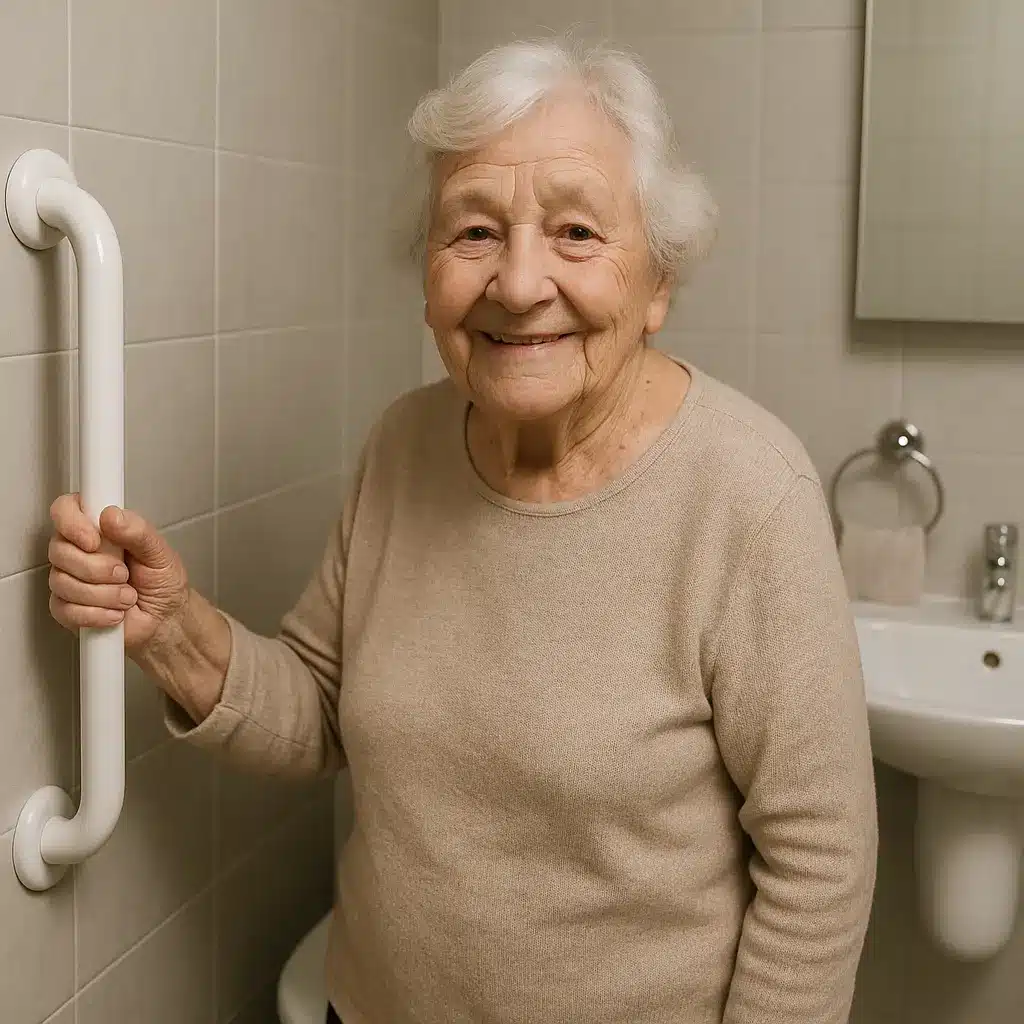
Ensuring Home safety for elderly individuals can prevent accidents and provide peace of mind for both the elderly and their caregivers.
The Importance of Home Safety for the Elderly
As we get older, changes in our bodies can make everyday life a little trickier, and it’s easy to have the odd mishap around the house. That’s why looking after home safety is so important—not just to avoid injuries, but also to bring you and your loved ones real peace of mind.
Simple changes, like removing loose rugs, adding grab rails in key areas, improving lighting, and keeping walkways clear of clutter, can make a big difference when it comes to preventing falls. With these thoughtful touches and a little planning, it’s possible to create a safe and comfortable space where older adults can maintain their independence and enjoy life at home for as long as possible.
Consequences of a Fall for an Older Person
A fall can really shake up an older person’s life, affecting them in more ways than you might expect. Even a small tumble can lead to bumps, bruises, or sometimes more serious injuries, such as fractures, which may make getting around or enjoying daily activities a bit harder. On top of the physical effects, a fall can also knock someone’s confidence. It’s not uncommon for older adults to feel more anxious or worried about falling again, which can make them less keen to get out and about or spend time with friends and family.
Over time, this worry can leave people feeling a bit more isolated than they’d like. That’s why it’s so important to have a supportive home environment and a caring network on hand. With the right help and some thoughtful precautions, we can work together to minimise risks and help your loved ones feel safe, happy, and independent at home.
Preventing Slips and Falls
Slips and falls are common hazards for the elderly, but they can often be prevented with some simple adjustments. Remove any loose rugs or secure them with non-slip underlays. Clear pathways of clutter and ensure that furniture is arranged in a way that allows for easy navigation.
Good lighting is also essential in preventing falls. Ensure that all areas of the home are well-lit, especially staircases and entryways. Night lights can be particularly useful in hallways and bathrooms to provide visibility during the night.
It’s also important to remember that individuals living with dementia may see colours and patterns on floors very differently. Sometimes, stripes, large patterns, or bold contrasts on carpets and rugs can look confusing—what appears to be a simple design to most of us might look like a step, a hole, or a sudden drop to someone with dementia. This can lead to hesitation or even a fall, as they may struggle to judge where it’s safe to walk. Whenever possible, choosing plain, consistent flooring can make it much easier and less stressful for loved ones with dementia to move confidently around their home.
Essential Bathroom Modifications for Elderly Safety
Bathrooms can be a bit of a challenge for older adults, with slippery floors and the need for extra care when moving about. Adding grab rails next to the toilet and inside the shower or bath is a simple way to provide a little more confidence and steady support right where it’s needed.
You might also think about swapping a standard bathtub for a walk-in shower, which makes getting in and out much easier and helps to reduce the risk of tripping. Soft, non-slip mats—both inside and outside the shower or bath—make every step safer, and a raised toilet seat can make sitting down and standing up so much more comfortable.
Additional Tips for a Safe and Accessible Home
It’s worth having grab rails in other key areas too, such as hallways, staircases, or anywhere that might need an extra helping hand. Choose sturdy rails made from durable materials, like stainless steel or reinforced plastic, and make sure they’re fixed securely to the wall for regular, reliable support.
Apart from grab rails and preventing slips, there are several other ways to make a home safer for elderly individuals. For instance, installing lever-style door handles can be easier for those with arthritis or limited hand strength. Consider placing frequently used items within easy reach to avoid unnecessary bending or stretching.
Ensure that emergency contact numbers are easily accessible and that elderly individuals know how to use emergency alert systems if they live alone. Regularly checking and maintaining smoke detectors and carbon monoxide detectors can also enhance safety. Lastly, conducting a home safety assessment with a professional can provide valuable insights and recommendations tailored to individual needs.


